
How Fast Can You Deploy After a Disaster in Lakewood?
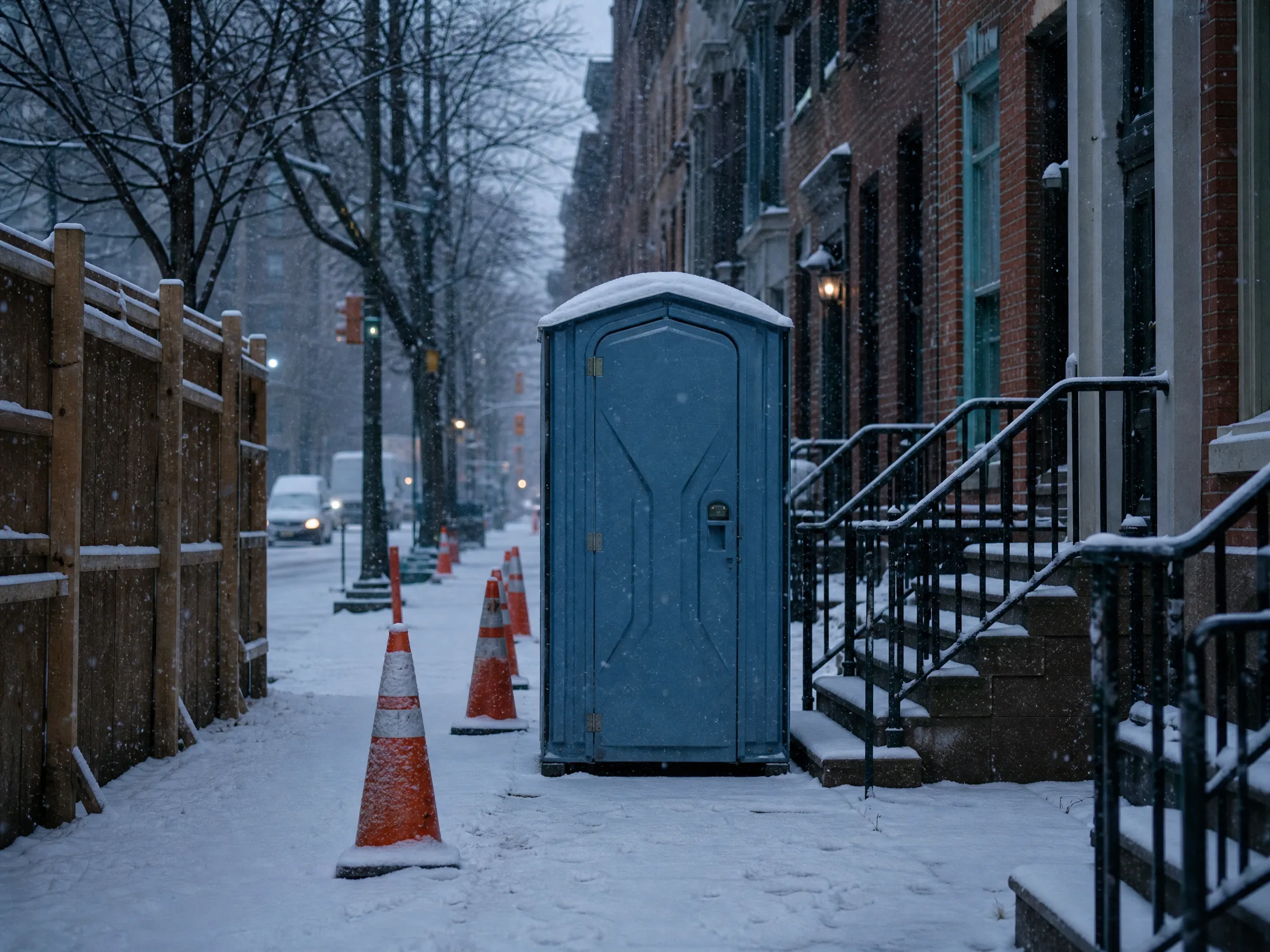
Speed is the whole point of emergency porta potty rental. We keep standard units, ADA accessible units, and handwashing stations ready to move without waiting on a full rental checklist process. A displaced household, a shelter set up in a school gym, or a city crew clearing debris in Lakewood all need the same thing: working toilets, fast, without a permit fight slowing things down.
Placement in the public right of way during an active disaster response needs confirming with the city of Lakewood before units go curbside. That is not red tape for its own sake, it is how emergency managers keep access routes clear for fire and utility crews. Once a site is picked, a roll-off dumpster often follows the toilets in, especially after storm debris or flood-damaged material starts piling up. If a shelter site pulls in workers from Wheat Ridge, 5.8 miles north, or from Golden, 9.2 miles northwest, we are already within a short drive of both staging points. For sites needing more than toilets, a restroom trailer rental or a shower trailer rental can go in alongside standard units when a shelter runs for more than a few days.
What Sanitation Do Disaster Shelters and Work Crews Actually Need?
Shelters need toilets, handwashing, and often temporary power and light, all at once, not staggered over a week. OSHA 1926.51(c) sets toilet ratios for work crews on a disaster site: one toilet for 20 workers or fewer, then one toilet seat and one urinal per 40 workers once the crew grows past that. A debris-clearing crew of 35 in Lakewood needs to plan around that second tier, not the first. Our how many porta potties do I need guide walks through the math for a specific headcount.
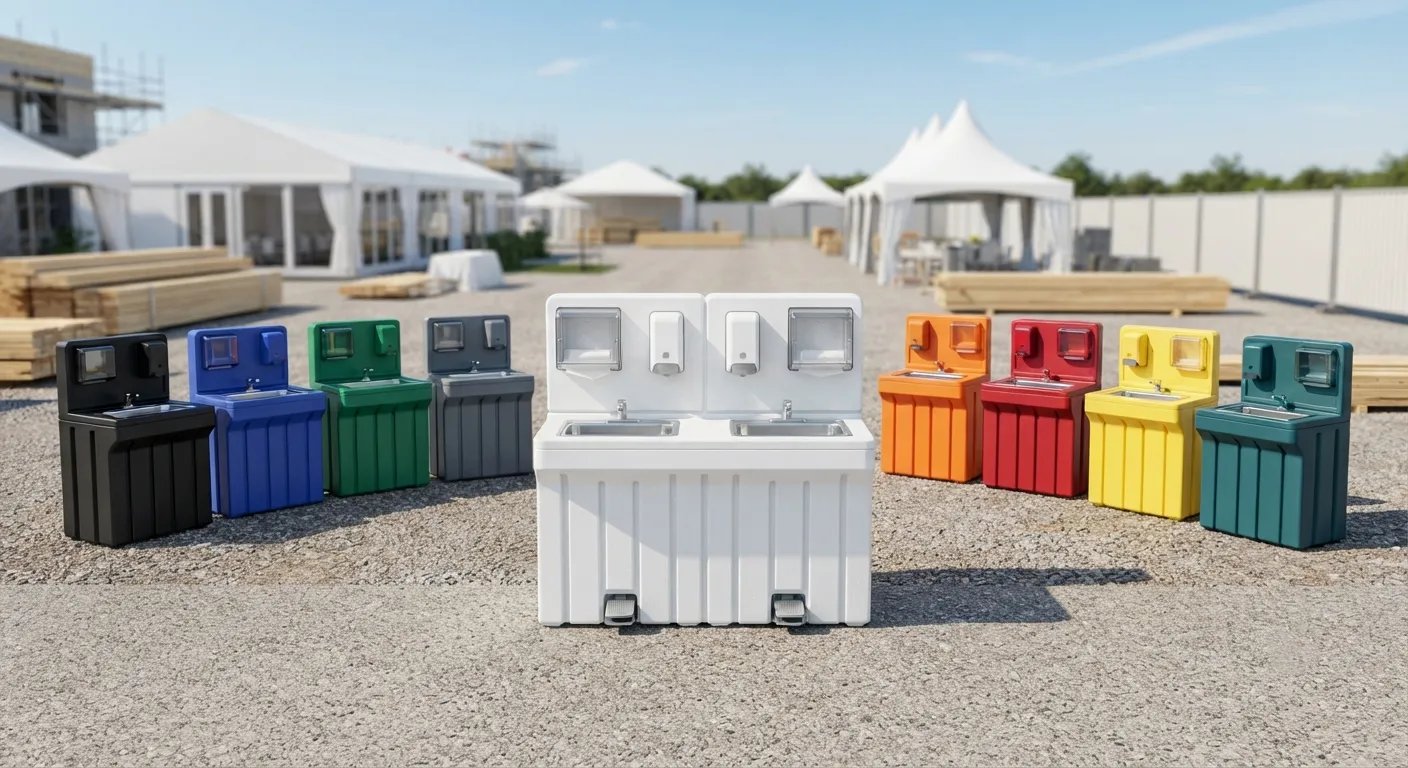
Handwashing is separate from toilet count and gets skipped more than it should. 29 CFR 1910.141(d)(2) requires soap and towels or a hand-drying device at washing facilities, and hand sanitizer alone does not satisfy that. A handwashing station rental or a portable sink rental covers that requirement on its own, separate from the toilet units. If crews are handling contaminated debris involving coatings or treated materials, OSHA 1926.51(f)(1) applies specifically to washing after paint, coatings, herbicide or insecticide exposure, not general cleanup. For agricultural sites hit by disaster, OSHA 1928.110 sets a similar bar: one facility per 20 hand-labor workers, reachable within a quarter mile walk, which matters for farm and agricultural restrooms after flooding.
Accessibility does not get suspended during an emergency. ADA Standards section 213.2 requires that at least 5 percent of clustered single-user toilet units be accessible, with a minimum of one, and our ADA restroom requirements page covers what that unit needs, including a 60 inch turning circle under section 304.3.1. A shelter serving displaced Lakewood residents cannot skip that step just because the timeline is compressed.
Do You Handle Ongoing Cleanup After the Immediate Emergency?
Yes, disaster response does not end when the toilets go in. Debris removal, temporary storage, and site security often run for weeks after the initial event, and Lakewood Porta Pros carries the equipment for all of it. A construction dumpster rental or a specific 20 yard dumpster rental handles storm debris once it is sorted, and our what cannot go in a dumpster page flags the materials that need separate disposal, which matters more after a flood or fire than on a normal job site.
Displaced families or businesses often need storage container rental while a structure gets rebuilt, and a mobile office trailer rental gives an insurance adjuster or a contractor a place to work on site. If the area needs to stay secured while rebuilding happens, temporary fence rental keeps foot traffic out of an unstable structure. Septic systems damaged by flooding are their own problem: a residential tank is typically pumped every 3 to 5 years under normal conditions, but flood intrusion can force an off-cycle pump job, which our septic pumping service and emergency septic service both cover. Businesses further out, including sites near Englewood, 10.6 miles southeast, call on the same emergency dispatch.
How much does emergency sanitation cost during a disaster?
Standard units run $100 to $350 a day depending on quantity and how fast delivery needs to happen, with weekly rates for longer deployments. Our porta potty rental cost page breaks down the full range, and a request a quote gets you a number specific to your site within the hour.
Can you deliver on the same day as a disaster event?
Often yes, since we stage standard and ADA units for exactly this scenario. Delivery fees range from $100 to $500 depending on urgency and distance. Call contact directly rather than filling out a standard form when time matters.
Do disaster relief sites still need ADA-compliant toilets?
Yes, ADA Standards section 213.2 still applies during emergency response. At least one accessible unit is required per cluster, with a 60 inch turning circle inside per section 304.3.1. Skipping this is not optional just because the timeline is short.
What happens if debris blocks the delivery truck's path?
Roll-off delivery needs about 60 feet of straight clearance behind the truck, so storm debris in an alley or driveway can delay drop-off. Clearing that path first speeds up delivery across every service in Lakewood.
Will you work directly with emergency management or shelter coordinators?
Yes, we coordinate directly with whoever is running the shelter or job site, whether that is a city department or a private contractor. See construction site services for how we structure larger multi-unit deployments.
Next step
Get a delivery date
Tell us the address, the dates and the headcount. We size the order and confirm the route.