
How Often Does a Septic Tank Need Cleaning?
Three to five years is the standard window for most homes, and that range comes straight from tank size and household size working together. A larger family running more loads of laundry and more dishwasher cycles pushes solids into the tank faster, so that household lands closer to the 3 year mark. A couple in a smaller Lakewood home with a bigger tank might stretch to 5. This is one of the most common questions we get on septic pumping service calls, right behind how much it costs. If you are unsure where your property falls, our septic tank pumping cost page breaks down what affects the price, and septic tank cleaning covers what a full service visit includes. Homes near Golden, about 9.2 miles northwest of Lakewood, tend to have similar tank setups on older lots, so the same interval applies there too.
What Happens If You Wait Too Long?
Solids build up, the outlet baffle clogs, and eventually wastewater backs up into the house or pools in the yard. That is expensive and unpleasant, and it usually happens at the worst time. Watch for slow drains, gurgling pipes, or standing water near the tank. Our septic tank warning signs page lists the specific red flags homeowners miss until it is too late. If you are already seeing symptoms, do not wait for your next scheduled date. Call for emergency septic service instead of hoping the problem resolves on its own. Related but separate: grease interceptors used by restaurants and commercial kitchens follow a different rule entirely. A grease trap is pumped when fats, oils, grease and solids reach 25 percent of the liquid depth, not on a calendar schedule. That is a much shorter cycle than a residential tank, and if you manage a Lakewood restaurant, see grease trap pumping for details on that service.
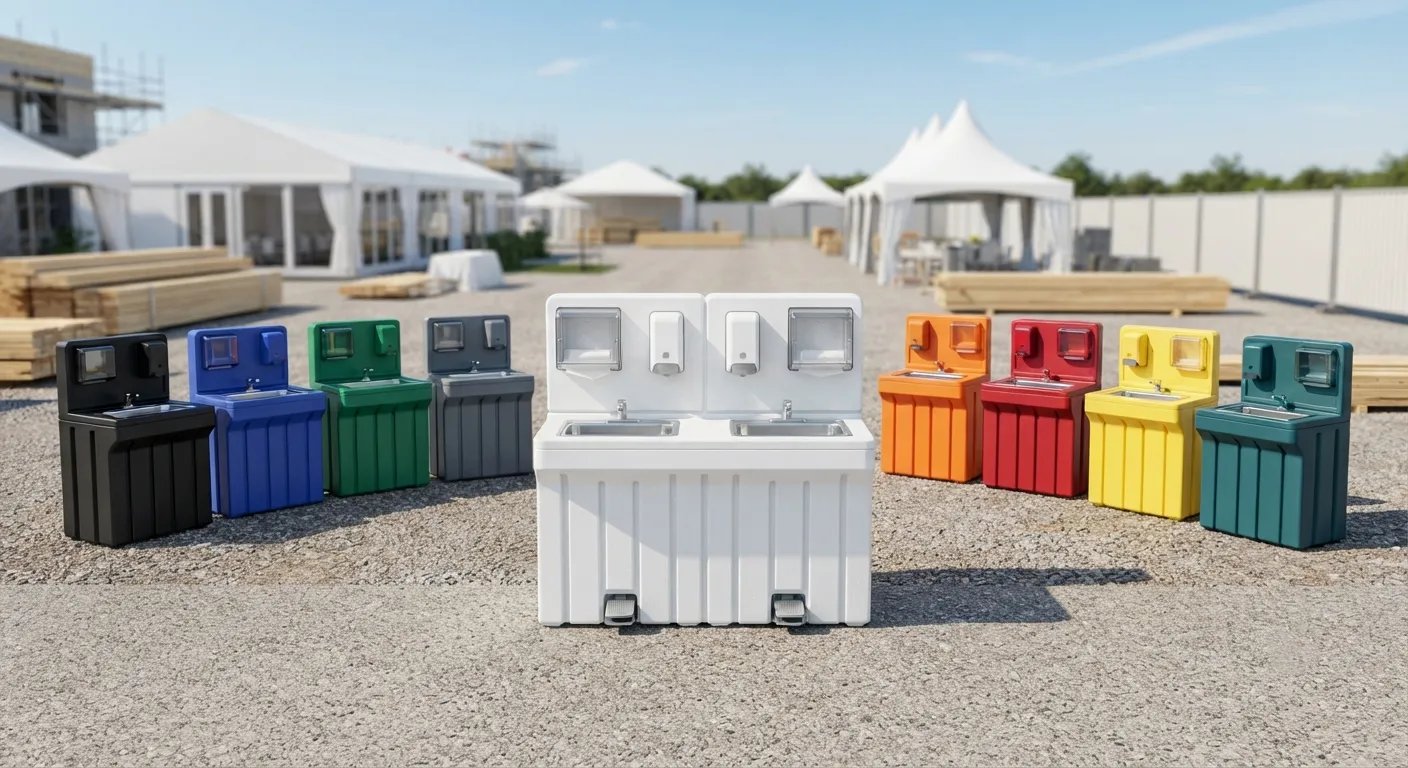
Why Does Household Size Change the Timeline?
More people means more water use, more solids, and faster buildup, plain and simple. A household of two might get 5 years out of a 1,000 gallon tank. A household of six pushes that same tank closer to 3. Garbage disposals, frequent laundry, and hot tubs all add load too, and none of that is unique to Lakewood, but it is worth mentioning because a lot of homeowners assume tank size alone sets the schedule. It does not. If you are building new construction or doing a major renovation in Lakewood and need interim sanitation while septic work happens, look at home renovation porta potty rentals to cover the gap. Contractors doing site work near Wheat Ridge, 5.8 miles north of Lakewood, run into the same septic access issues on older properties, where tanks sit under driveways or additions built after the original install.
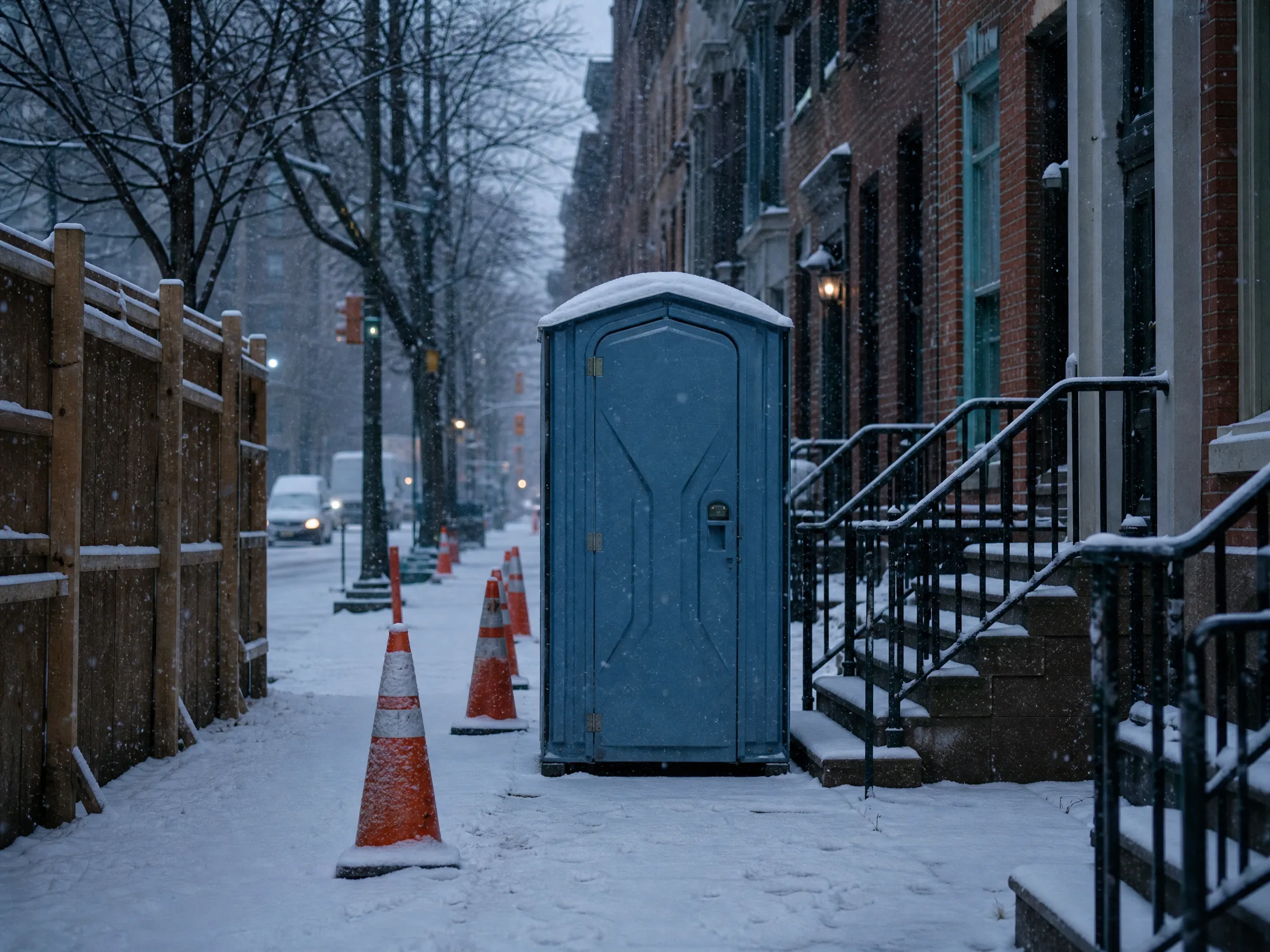
Do You Need a Holding Tank During Septic Repairs?
Yes, if your system is down for repair or replacement, a holding tank keeps the household running in the meantime. This comes up more than people expect, especially on older Lakewood properties where a failed drain field means the whole system is offline for days. Our holding tank rental option covers that stretch, and it pairs well with a portable unit if the bathroom itself is inaccessible during the work. For general household coverage during any bathroom outage, see portable restroom rental or the broader portable toilet rental options. Commercial properties and agricultural operations have their own standards: OSHA 1928.110 requires potable water, toilets, and handwashing for hand-labor employees at one facility per 20 employees, within a quarter mile walk, which matters if you run a working farm near Lakewood with employees on-site. See farm and agricultural restrooms for that setup. Construction crews digging near a septic line should also check construction site services for coordinated site sanitation.
| service | typical interval | driven by |
|---|---|---|
| residential septic tank | 3 to 5 years | tank size, household size |
| grease interceptor | as needed | 25% FOG threshold, not a calendar |
For general contractor sanitation planning alongside septic work, how many porta potties do i need and OSHA portable toilet requirements are worth a look, since OSHA 1926.51(c) sets toilet ratios by crew size on active job sites. If you are weighing a dumpster for renovation debris tied to a septic repair, check roll-off dumpster rental or dumpster rental cost. We also serve Englewood, 10.6 miles southeast, and Arvada, 11.8 miles north, if you are coordinating service across multiple properties. Start with request a quote or visit Septic Pumping Service in Lakewood, CO directly.
How do I know my septic tank's actual pump schedule?
Check your household size against tank size, or ask your pumper to measure sludge and scum layers at the next visit. Most Lakewood homes land in the 3 to 5 year range. If you have never had it pumped, schedule a baseline visit now rather than guessing.
Can I extend the interval by using less water?
Somewhat. Spreading out laundry loads and fixing leaky fixtures reduces the load on your tank, but it will not double your interval. Household size and tank capacity still drive the schedule more than daily habits do.
Does a garbage disposal affect pumping frequency?
Yes. Disposals add solids directly into the tank, which shortens the interval. Homes with heavy disposal use often need pumping closer to the 3 year mark instead of 5, even with normal household size.
What is the difference between septic pumping and cleaning?
Pumping removes liquid and settled solids from the tank. Cleaning is often used interchangeably, but a full service visit also checks baffles and inlet and outlet conditions. See septic tank cleaning for what is included.
Do commercial grease traps follow the same 3 to 5 year rule?
No. Grease interceptors are pumped based on fats, oils, grease and solids reaching 25 percent of liquid depth, not a fixed calendar. Restaurants should monitor levels directly rather than relying on a residential timeline.
Next step
Get a delivery date
Tell us the address, the dates and the headcount. We size the order and confirm the route.