
What items are banned from a roll-off dumpster?
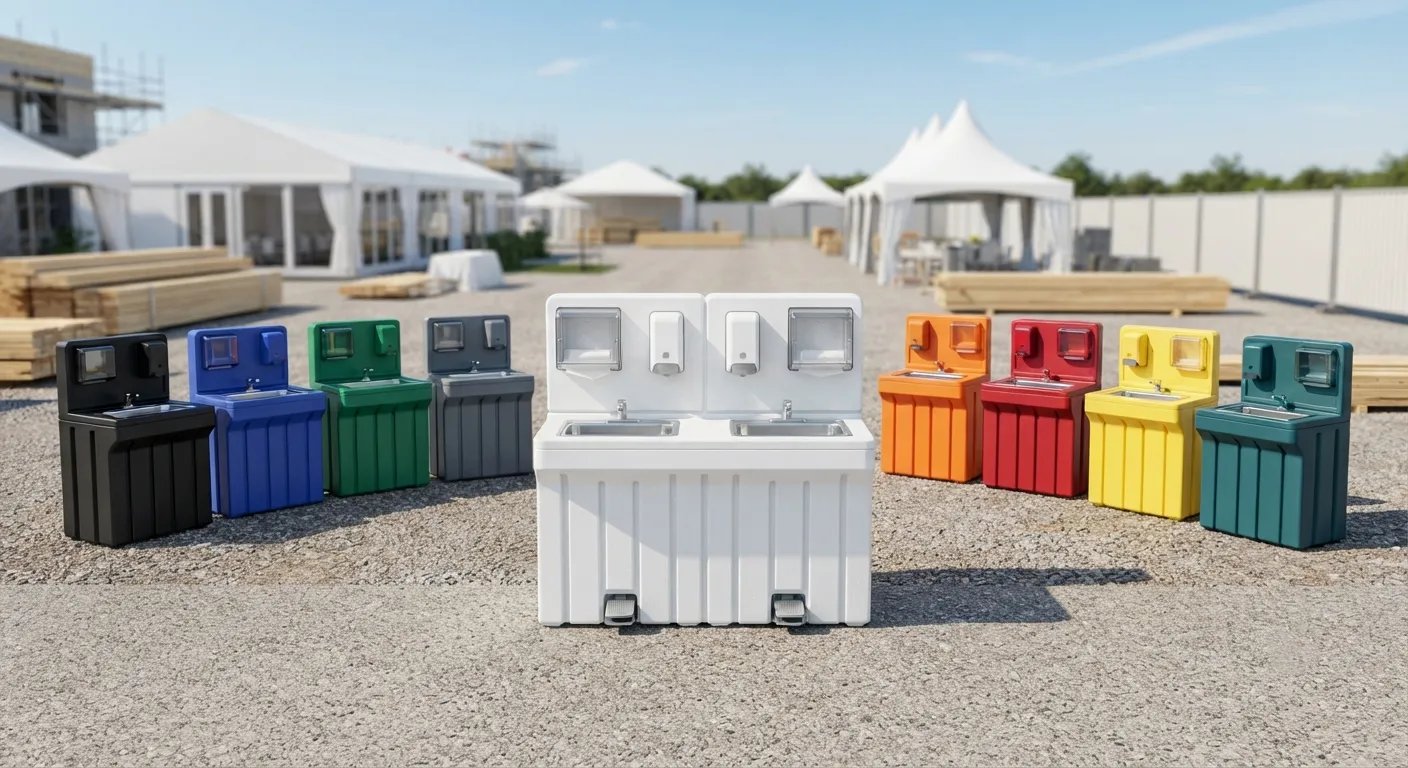
Hazardous materials top the list every time. Old paint cans, pesticides, herbicides, and pool chemicals count as hazardous waste no matter how small the amount, and they need a separate drop-off, not a dumpster in a Lakewood driveway. Tires and car batteries are banned too, along with anything with a working engine or fuel still in the tank. Freon-bearing appliances, like refrigerators and window AC units, need the refrigerant pulled first. Electronics with lead or mercury, think old TVs and monitors, usually fall under separate e-waste handling. If a crew has been using paints, coatings, herbicides, or insecticides on site, OSHA 1926.51(f)(1) requires washing facilities nearby, which is worth pairing with a handwashing station rental if the dumpster is sitting next to active work. For the full rundown by weight and category, check what cannot go in a dumpster and the general dumpster rental cost page before ordering size.
Can I put construction debris in a dumpster?
Yes, most construction debris is fine: drywall, lumber, shingles, brick, and concrete in reasonable amounts. That is the bread and butter of a construction dumpster rental in Lakewood. The catch is weight, not material type. A 20 yard box has a rated capacity, and loading it past that line with wet concrete or full pallets of tile can trigger overage fees or a refused pickup. See dumpster weight limits for how that is figured, and dumpster sizes and dimensions to match the box to the job. Asbestos-containing material, even from a small renovation like removing old floor tile, is not allowed loose in a standard container. It needs bagging and a licensed hauler. Homeowners doing a kitchen tear-out often ask this on a home renovation porta potty job where a dumpster sits curbside next to the unit for weeks. A roll-off delivery needs about 60 feet of straight clearance behind the truck, so a narrow Lakewood alley or a tight cul-de-sac can change where the box gets set.
Why can't I throw away paint or chemicals?
Because liquid hazardous waste contaminates everything else in the load and the landfill won't take it. Paint, solvents, motor oil, antifreeze, and chemical cleaners need to go to a hazardous waste collection point, not into a roll-off. This matters more on job sites already juggling other City of Lakewood requirements. A general contractor pulling permits for dumpster permit requirements should ask about hazardous disposal in the same conversation, since combining a portable toilet order like a standard porta potty rental or a porta john rental with dumpster service is common on active sites. OSHA 1926.25 covers general housekeeping and debris clearance on construction sites, and OSHA 1926.252 covers waste disposal methods including chutes and enclosures, both of which assume hazardous liquids are handled outside the standard debris stream. Keeping chemicals out also protects the crew: a site running GFCI-protected tools under OSHA 1926.404(b)(1)(ii) still needs clean walkways, and spilled paint near a dumpster is a slip hazard nobody wants.
Are there weight limits I should know about?
Yes, every roll-off size carries a maximum weight, and going over it costs extra even if the box still has visible space. A dumpster priced at the day rate can run from $51 to $112, and a full week typically lands between $426 and $600, so knowing the weight cap before loading avoids a surprise on the invoice. Concrete, dirt, and shingles are dense and hit the ceiling fast even in a half-full container. This is different from an event booking, where a festival restroom rental or county fair restrooms job cares more about unit count than tonnage. For weight specifics by container size, see dumpster weight limits, and compare against 10 yard dumpster rental, 20 yard dumpster rental, 30 yard dumpster rental, and 40 yard dumpster rental to pick a box that fits the job instead of guessing.
| item type | allowed | notes |
|---|---|---|
| drywall, lumber, shingles | yes | standard construction debris |
| concrete, brick, dirt | limited | counts heavily against weight cap |
| paint, solvents, pesticides | no | hazardous waste drop-off required |
| tires, batteries | no | separate recycling stream |
| refrigerators, AC units | no | refrigerant must be removed first |
| asbestos material | no | licensed hauler only |
What happens if I put a banned item in the dumpster anyway?
The hauler can refuse pickup or charge a contamination fee, and hazardous items sometimes require the whole load to be re-sorted before disposal. Lakewood Porta Pros flags this at drop-off. It is cheaper to set banned items aside and call ahead than to find out at pickup.
Can I throw away furniture or mattresses?
Yes, most furniture and mattresses are fine in a standard roll-off. They take up volume fast, so factor that into which size you book from dumpster sizes and dimensions rather than assuming a small box will handle a full house clear-out.
What about yard waste like branches and dirt?
Yard waste is usually allowed, but heavy loads of dirt or sod count hard against the weight limit. Mixing green waste with construction debris in the same box is fine as long as the total tonnage stays under the rated cap for that size.
Do I need a permit if the dumpster sits on the street?
Placement in the public right of way needs confirming with the city before delivery. Check dumpster permit requirements and ask when you book, since driveway placement usually avoids the question entirely.
Is there a difference between residential and construction debris rules?
Not for banned items, no. Hazardous waste, tires, and refrigerant-bearing appliances are excluded whether the job is a kitchen remodel or a commercial teardown. Weight caps and box size are what usually differ between construction dumpster rental and a homeowner cleanout.
Next step
Get a delivery date
Tell us the address, the dates and the headcount. We size the order and confirm the route.